As part of sustained efforts to prevent and respond to Gender-Based Violence (GBV), the Osun State Rural Access and Agricultural Marketing Project (Osun RAAMP), in partnership with the Centre for Gender, Women and Children in Sustainable Development (CGWCSD) and with support from the World Bank, embarked on a series of sensitisation and step-down activities in different communities of Osun State. The initiative focused on raising awareness about child abuse and exploitation, particularly the heightened risks faced by girls in communities affected by road construction activities.
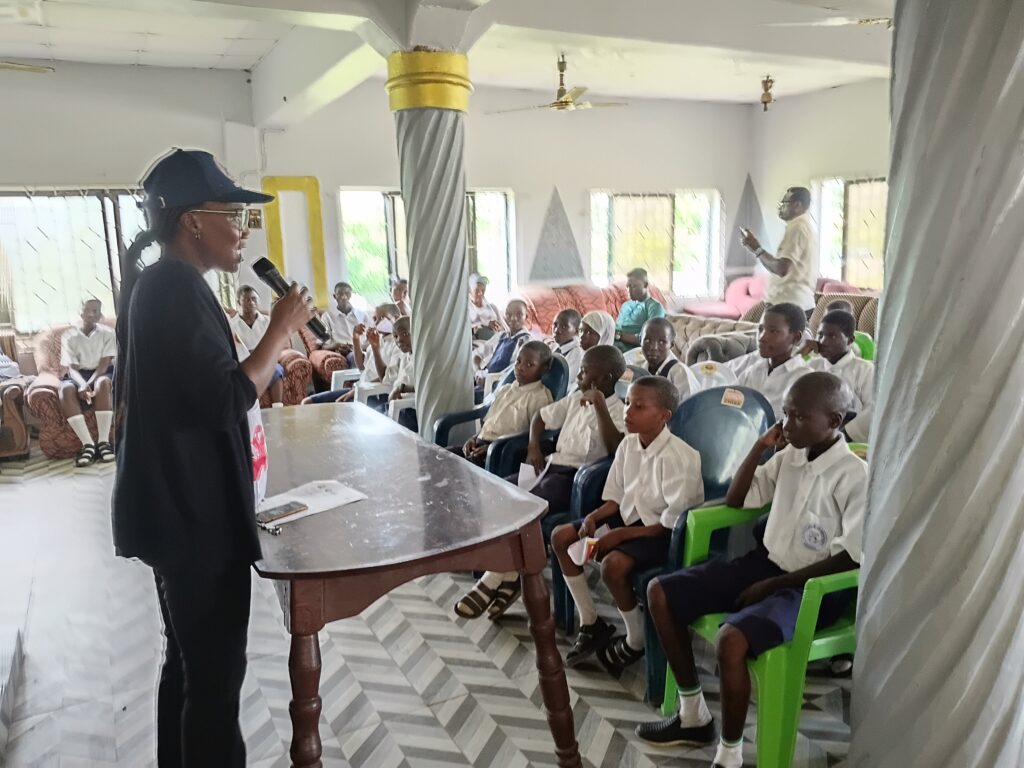
Implemented in October 2025, the campaign engaged schools, health facilities, and community leadership structures, bringing together students, teachers, healthcare workers, parents, peer educators, and traditional leaders to reinforce the message that protecting women and children is a shared responsibility. At Odeomu High School and St. David Grammar School, participants discussed common forms of abuse targeting girls, the increased risks linked to the presence of construction workers, and the importance of confidential reporting mechanisms. School authorities pledged increased vigilance and continued engagement with Parents-Teachers Associations to sustain awareness.
A similar sensitisation session at the MDG Health Centre, Odeomu, highlighted the critical role of health facilities in identifying, documenting, and referring cases of child abuse. Nursing mothers and healthcare workers actively participated, acknowledging health centres as key entry points for survivor support and early intervention, and strengthening collaboration with the Osun RAAMP team.
The campaign concluded with a community step-down training in the AAGBA Community, where peer educators, traditional rulers, and other stakeholders addressed GBV at the grassroots level. Discussions emphasized zero tolerance for violence, breaking the culture of silence, shared responsibility between communities and contractors, and women’s empowerment. The session was characterized by strong peer-to-peer engagement, including effective facilitation by a female peer educator, which underscored the role of women’s leadership in advancing child protection. Overall, participants agreed that sustained awareness, functional reporting systems, and strong collaboration are vital to ensuring long-term safety for women and children in Osun State.
