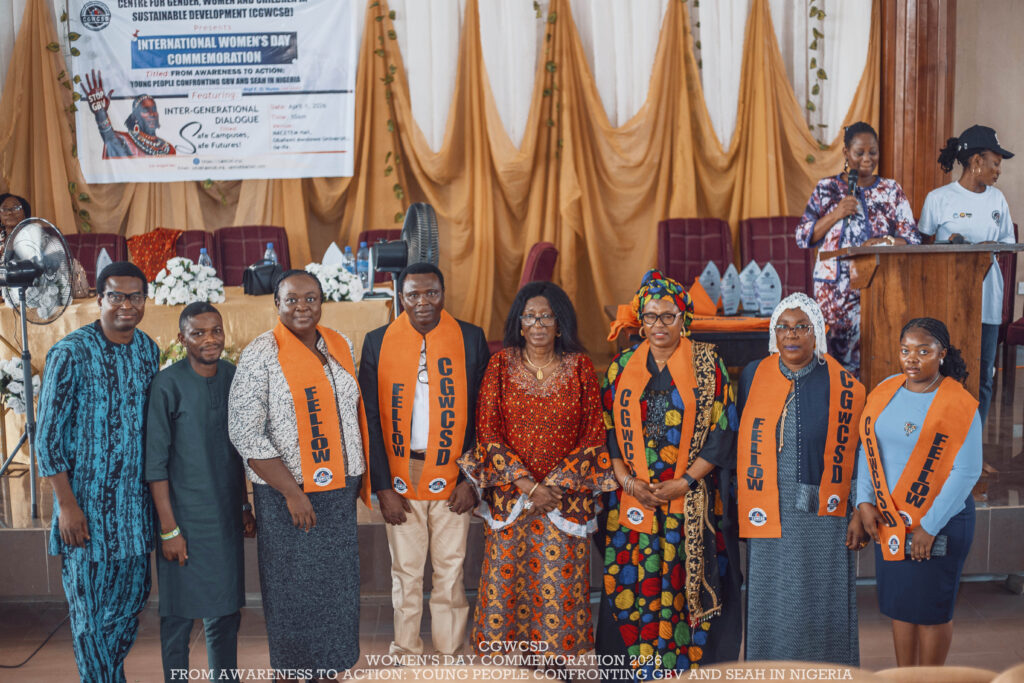
The Centre for Gender, Women and Children in Sustainable Development (CGWCSD) has intensified efforts to combat Gender-Based Violence (GBV) by sensitising secondary school students across Osun State, equipping them with knowledge and practical steps for prevention and response to GBV and Sexual Exploitation, Abuse, and Harassment (SEAH).
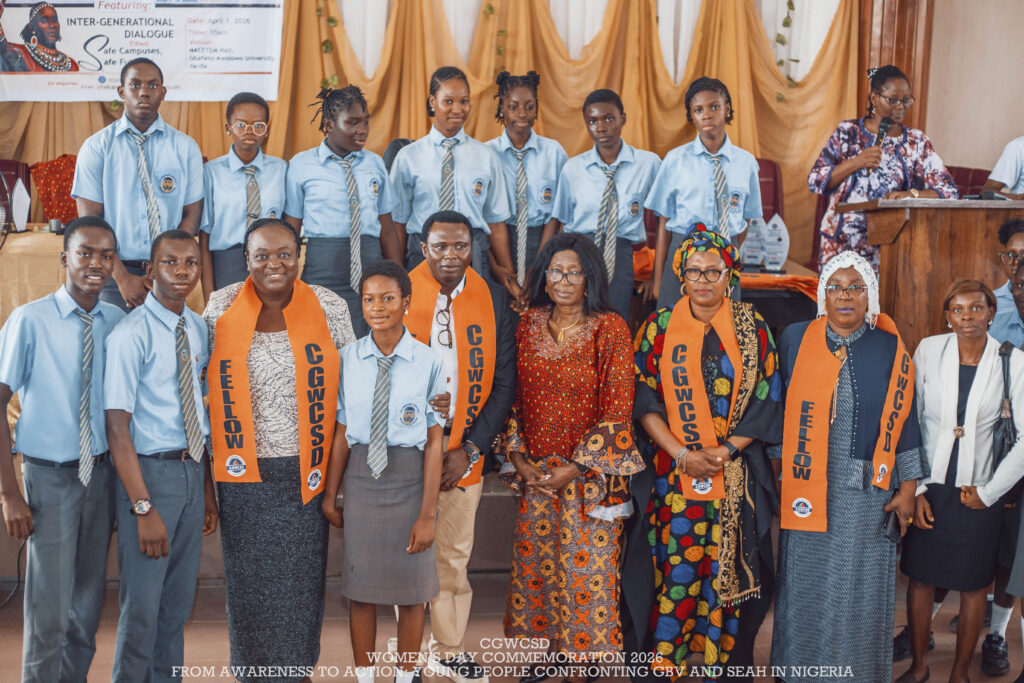
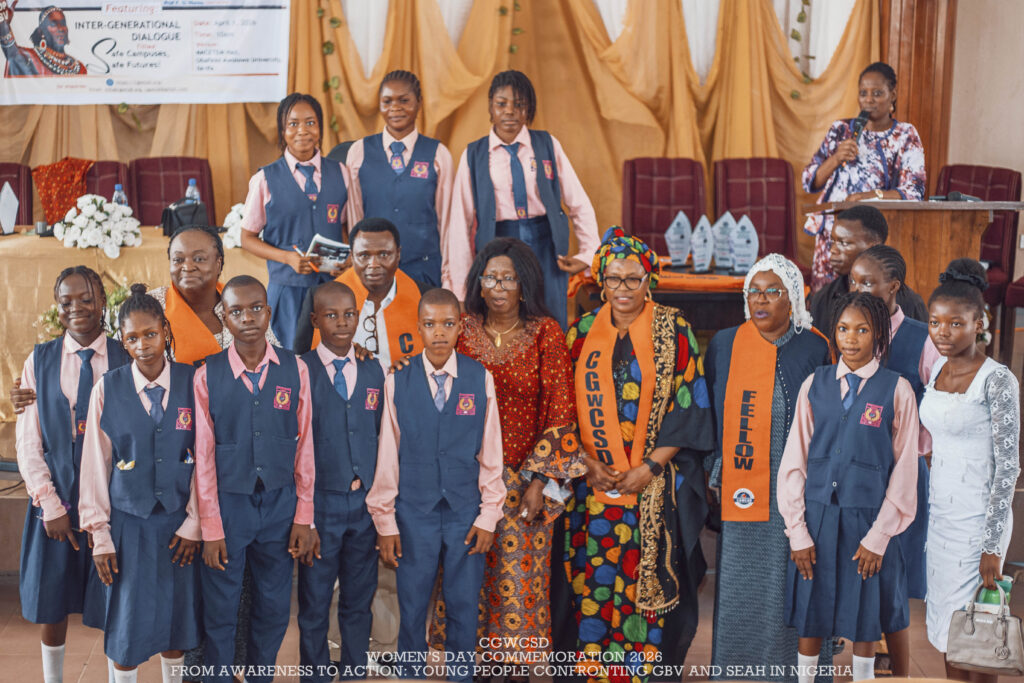
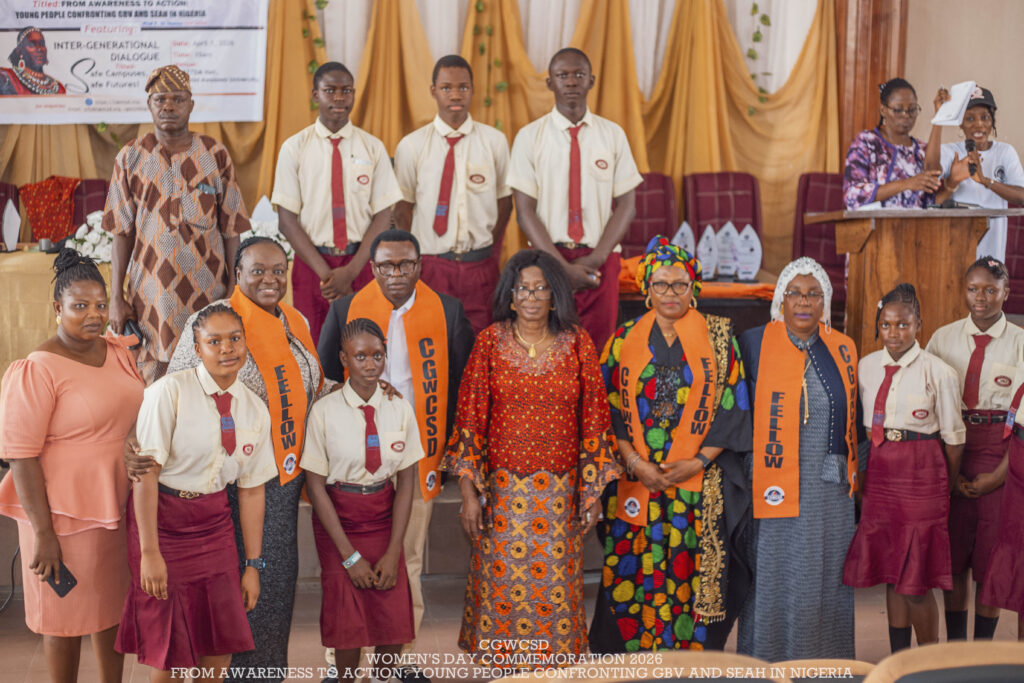
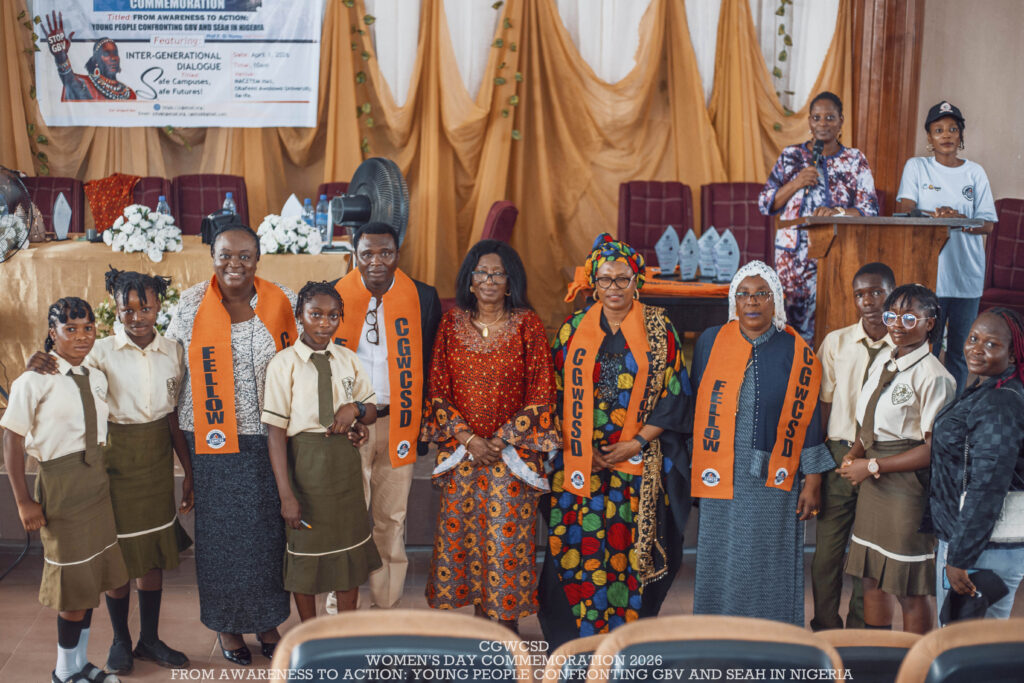
The initiative formed part of activities marking the International Women’s Day, with the programme held on Wednesday at the National Centre for Technology Management (NACETEM), located within Obafemi Awolowo University, Ile-Ife.
The event attracted students from various secondary schools across the state, alongside academics, development experts, and gender advocates.
With the theme, “From Awareness to Action: Young People Confronting GBV and SEAH in Nigeria,” the programme focused on empowering young people as frontline advocates in the fight against abuse, discrimination, and exploitation.
Delivering the welcome address, the Executive Director of CGWCSD, Prof. Olabisi Aina, stated that the initiative was designed to bridge the gap between awareness and actionable response among young people.
According to her, “the programme seeks to equip students with the right knowledge, confidence, and reporting mechanisms needed to identify, prevent, and respond effectively to all forms of gender-based violence.”
She emphasised that GBV remains a pervasive issue in Nigerian society, often fuelled by silence, cultural misconceptions, and lack of awareness, particularly among young people.
Prof. Aina further noted that empowering students with accurate information would not only protect them but also enable them to become advocates for change within their communities.
She explained that the Centre is committed to fostering safe environments in schools and communities by promoting education, advocacy, and stakeholder collaboration.
She added that early sensitisation is critical in shaping attitudes and dismantling harmful gender norms.
Also speaking, the guest speaker, Prof. Folasade Hunsu, provided in-depth insights into the realities of GBV and SEAH, stressing the urgent need for collective action.
She revealed that many victims of abuse remain silent due to fear, stigma, societal pressure, and, in some cases, misinterpreted religious beliefs that discourage speaking out.
Prof. Hunsu disclosed that these barriers often embolden perpetrators and perpetuate cycles of abuse, thereby making education and awareness indispensable tools in addressing the menace.
She further expressed that young people must be empowered to speak up, seek help, and support survivors without judgment, adding that creating safe reporting channels is essential for effective intervention.
During the session, participants deepened their understanding of GBV as harmful acts rooted in gender inequality and power imbalances, including physical, sexual, psychological, and economic violence.
The sessions also clarified the meaning of SEAH within development contexts, particularly highlighting risks associated with exploitation, abuse, and harassment in project environments.
Strong emphasis was placed on prevention strategies, accountability frameworks, and the responsibility of institutions and individuals in early detection and safe reporting of abuse cases.
In a segment of the programme, speakers and facilitators shared personal experiences and survivor accounts, offering participants real-life perspectives on the impact of GBV and the importance of timely intervention and support systems.
As part of its commitment to youth engagement, the Centre inducted new members into its advocacy network, charging them to serve as peer educators and champions against gender-based violence in their respective schools.
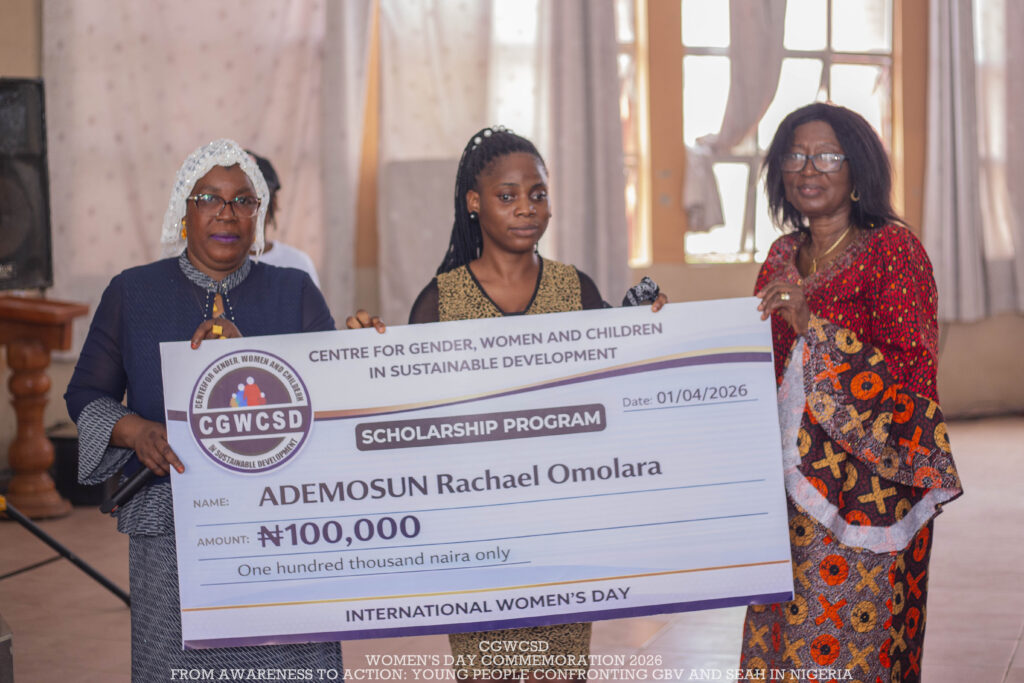
In addition, CGWCSD awarded scholarships worth ₦100,000 each to two special students, demonstrating its dedication to supporting at-risk youth and promoting access to education.
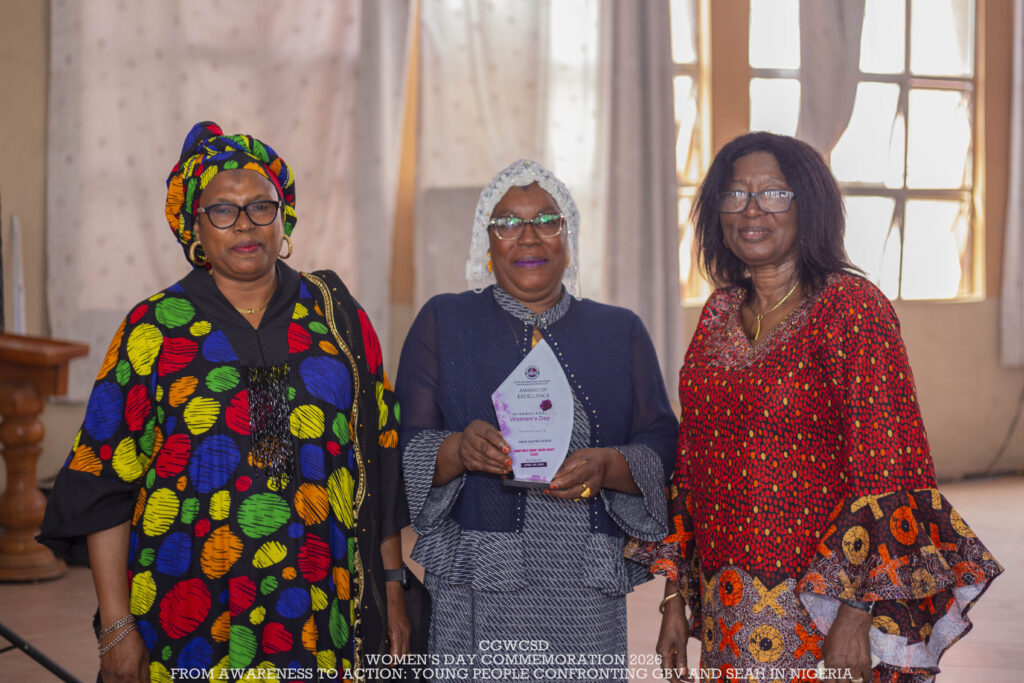
The event also featured the recognition of distinguished individuals who have made significant contributions to the fight against gender-based violence. Honourees included Prof. Olayode Olusola, Prof. Olaleken Yunusa, Prof. Joshua Aransiola, Prof. Ojo Agunbiade, Prof. Toyin Mejiuni, Prof. Oluyemisi Ogunlade, Dr. Olufunmilayo Banjo, and Prof. Adebimpe Adenugba, among others.
